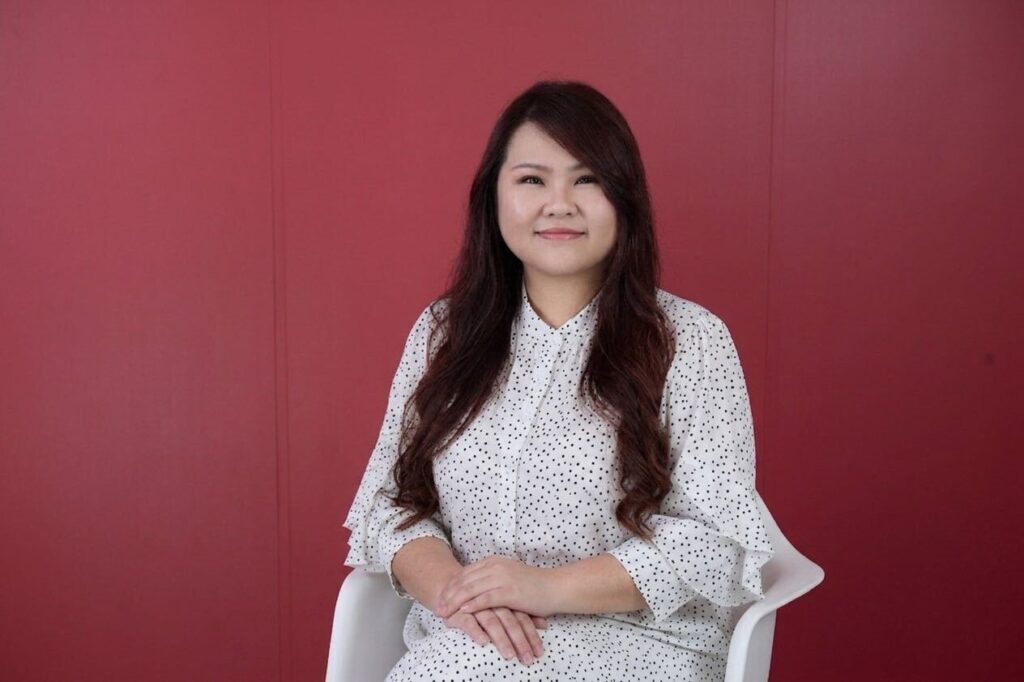
Angela Jian 簡心縈|foodomo 專聯科技 總經理
Executive Assessment 學員|成功錄取 INSEAD GEMBA
恭喜學生成功錄取 INSEAD GEMBA,也即將展開下一階段的學習與職涯規劃
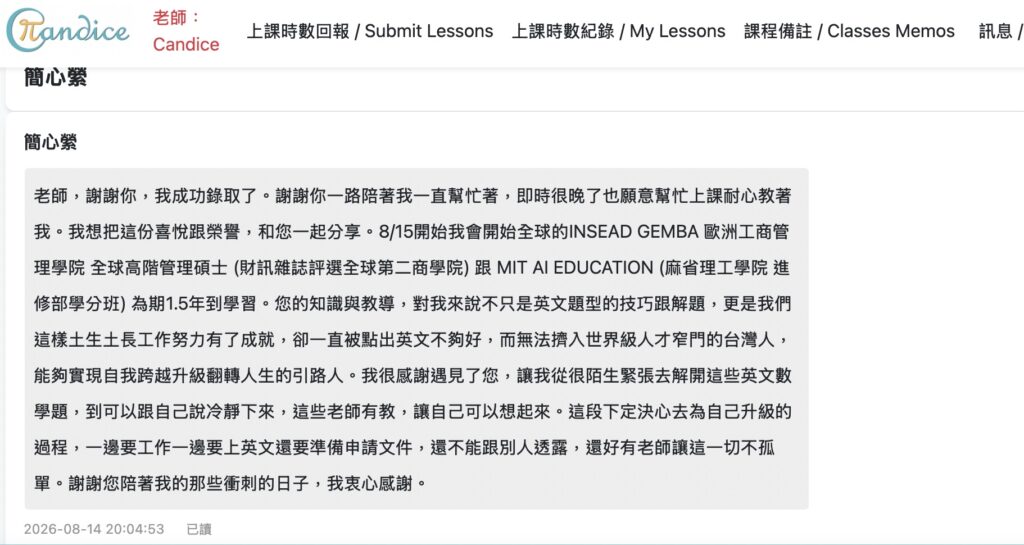
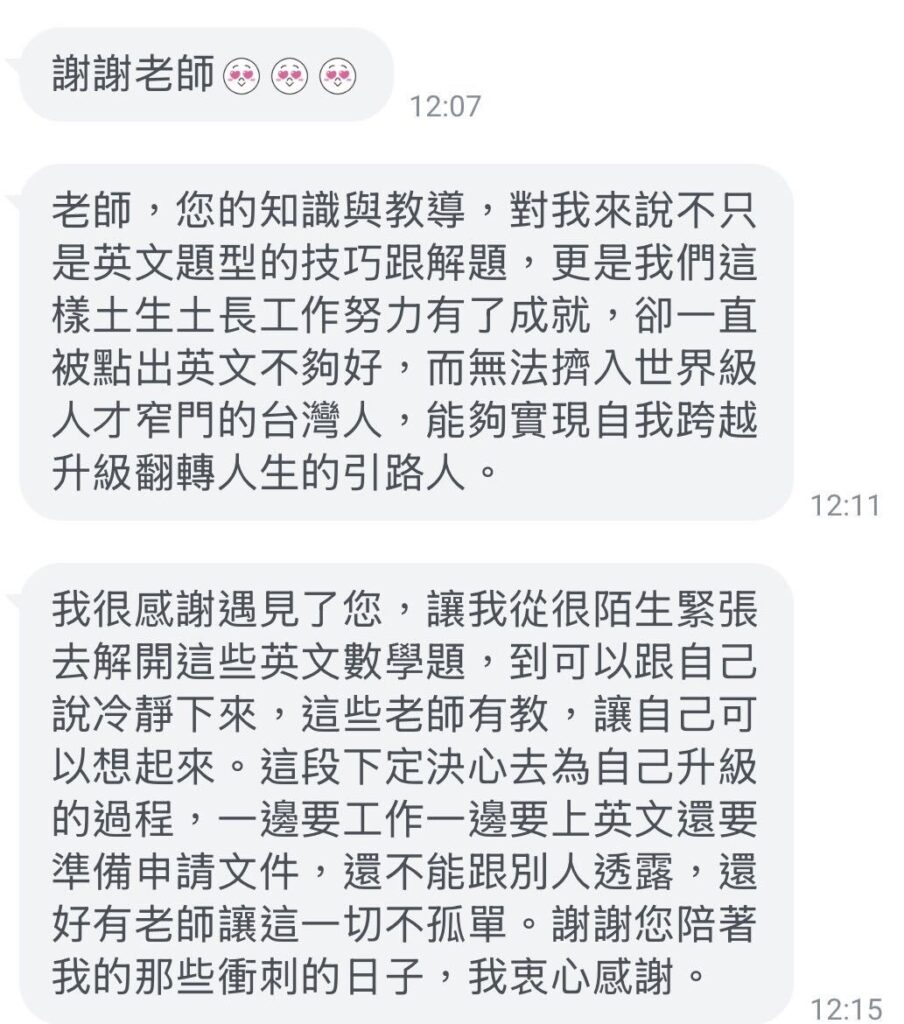
在工作之餘,她同時準備考試與申請,也曾因英文數學題感到陌生與緊張,收到錄取消息後,她特別傳訊息給 Candice 老師,分享這段學習過程帶給她的改變與感謝。
以下分享學生親自傳給Candice老師的訊息:

Angela Jian 簡心縈|foodomo 專聯科技 總經理
Executive Assessment 學員|成功錄取 INSEAD GEMBA
恭喜學生成功錄取 INSEAD GEMBA,也即將展開下一階段的學習與職涯規劃
在工作之餘,她同時準備考試與申請,也曾因英文數學題感到陌生與緊張,收到錄取消息後,她特別傳訊息給 Candice 老師,分享這段學習過程帶給她的改變與感謝。
以下分享學生親自傳給Candice老師的訊息:
Candice先生帶過一個學生,數學模考成績非常漂亮。700 多分,狀況好的時候 750 以上。
但他正式SAT考了幾次,分數永遠卡在 600分出頭。
孩子自己也很挫折,程度明明就不錯,為什麼一到正式考就不見了?
後來找到的原因,跟數學一點關係都沒有。
最後找出的真正原因:
SAT 不管在哪個國家考,都是早上八點開始。而這個孩子平常寫模考,全部都在下午或晚上。學校要上課,早上本來就空不出時間。
所以他每一次坐進考場,都是在一個他從來沒有練習過的狀態下作答。早上八點的腦袋還沒真正打開,實力自然反映不出來。
這件事家長從成績單上永遠看不出來,因為它跟數學程度完全無關。
如果你的孩子也是 PSAT 或模考成績不錯、正式 SAT 卻明顯低於預期,甚至考了幾次還是卡在差不多的位置,接下來這幾種狀況,很可能有一種就是他。

孩子考完回家,跟你說:
「那些題我都會啦,就是粗心。」
你看他平常模考數學 730、750分都有,心裡大概也會覺得:那下次仔細一點就好了。
但 Candice先生實際帶學生時發現,如果每次都說是粗心,那通常就不能只把它當成粗心。
最典型的一個問題,是配速。
有些數學程度很好的學生,一看到題目不難就一路往前衝。SAT數學一個 Module 有 35分鐘,但有孩子 25分鐘、不到30分鐘就全部寫完,心裡還覺得:很好啊,我等等還剩很多時間可以檢查。
問題是,前面衝太快,題目條件漏看、計算少一步,原本穩穩可以拿的分反而錯掉。
而且最後重新檢查的時候,人很容易沿著自己第一次的思路再看一遍,真正出錯的地方反而沒被發現。
所以遇到這種學生,Candice先生不會只跟他說「下次細心一點」。
因為「細心一點」根本不是一個可以執行的方法。
實際做的是重新調整孩子整套數學的配速,設定固定的 checking point,讓他知道考試進行到哪個時間點,大概該完成到哪裡。不管題目難或簡單,都把 35 分鐘穩穩地用完。
高分數學不是誰寫得最快,而是誰能把原本就會的分數穩穩拿下來。
還有一件事,家長很少注意到。
模考和 PSAT的版本,有時候比較簡單。孩子剛好練到比較簡單的那幾套,就會對自己的程度產生一個偏高的印象,家長也會。
但正式SAT的 Module 2 有一定的難度,尤其是後面那五題。
Candice先生的觀察是,這幾題往往就是高分學生真正的分水嶺。程度不錯的孩子前面都能穩定拿下,就是卡在最後這幾題,然後總分停在一個怎麼樣都上不去的位置。
而這幾題需要的常常是比較特殊的解法,或是對高頻題型的熟悉度。
孩子自己在家刷題,如果刷的都是他已經會的難度,這一塊永遠補不起來。刷得再多也一樣。
我們有不少學生,是專門為了突破最後那五題來上課的。這種學生對老師來說反而比較難教,因為他已經不錯了。要再往上,老師必須觀察得更仔細。
這是很多國際學校家長最難理解的一件事。
「我孩子從小就在英文環境念書,英文一直很好,為什麼 SAT英文還是會考不好?」
這句話本身沒有錯。孩子的英文可能真的很好。
但英文很好,跟 SAT 英文能不能穩定拿高分,不完全是同一件事。
我們的英文老師很常看到一種學生:
文章看得懂。
四個選項大部分也都看得懂。
但最後還是選錯。
問他為什麼選這個,他會說:
「因為我覺得這個比較順。」
問題往往就出在這個「我覺得」。
SAT英文考的不只是語言能力,更多是對文章的邏輯分析。
空格要填的那個字,一定跟上下文裡某個已經出現過的字詞有同義或反義的關係。孩子要能在文章裡圈出那個對應,這個答案才算有依據。
同樣的習慣會一路延伸到後面的閱讀題。要選一個選項去支持或反駁文章裡的主張時,孩子很容易在兩個「好像都可以」的選項之間猶豫,然後憑感覺挑一個。
真正穩定的學生會再往下追問:
這個選項裡的關鍵內容,我在原文找得到嗎?
它有沒有多講了一件原文根本沒說的事?
英文好的孩子反而容易吃虧,就是因為讀起來確實很順。久了,讀起來順就變成唯一的判斷標準。
但 SAT 到了高分區,「我覺得差不多」和「我有證據知道它是對的」之間,常常就是那幾題的差距。
SAT 的文章會出現不同學科的研究、圖表、數據,還有一些很陌生的專業術語。
有些孩子英文其實不差,但一看到自己不認識的字就開始慌。
這個字我不知道是什麼意思。
完了,這一篇是不是看不懂?
於是他停在那裡,想把每一個字、每一句話全部弄懂才敢繼續。
結果一題卡了兩分鐘。
開始看時間。
開始急。
後面的正確率也一起往下掉。
但那個專有名詞到底是什麼,往往根本不是題目要考的東西。孩子只需要知道這是一種生物、這是一個研究對象,接下來真正重要的是看這些資訊彼此之間的關係。
所以高分英文訓練的其中一個重點,反而是讓孩子知道:什麼一定要看懂,什麼不用浪費時間硬看懂。
這跟「再多背一點單字」是完全不同的準備方式。
同樣的問題在文法題也會發生。
SAT 的文法很少單獨考一個觀念,多半是標點、動詞、句子結構合在一起判斷。要答對,必須看空格前後是不是完整而獨立的句子。
但孩子為了省時間,常常只看空格所在的那一句,前後都跳過。原本以為是在節省時間,結果反而更容易選錯。
這一樣不是粗心,是做題習慣。而習慣如果沒有被抓出來,多做五份、十份模考,很可能只是把同一套錯法再重複五次、十次。
孩子說「我只是粗心」的時候,不一定是在找藉口。他可能真的覺得那些題自己會。
但如果下一次、下下次,分數還是掉在類似的地方,那要處理的就不是一句「下次仔細一點」。
因為很多問題,孩子自己根本不會把它認成問題。
數學寫得太快的孩子,會覺得自己效率很好,但就是總粗心漏分。
英文靠語感選答案的孩子,會覺得自己英文很好,這樣選感覺很對,但卻不是正確答案。
看到專有名詞就停下來研究的孩子,會覺得自己很認真,但總來不及寫完。
平常只在下午做模考的孩子,也不會想到考試時段可能影響自己的發揮。
這就是為什麼有些孩子明明很努力,分數還是卡在同一個位置。
不是因為他什麼都沒做。
反而可能是他一直很認真地,用同一套方法重複同一個問題。
Candice先生常遇到一種情況:家長拿模考成績來說「我的小朋友數學已經 750分了,應該不用再補了吧」,結果正式考試滑鐵盧,700出頭,或是 680,這時候才回頭來找老師。
模考或 PSAT 考得不錯,其實不代表什麼。真正的高分,是在正式 SAT 見分曉。
如果孩子只考過一次,分數比預期低,不需要立刻把事情想得太嚴重。一次考試本來就可能受狀態影響。
但如果已經準備了一段時間,甚至考過不只一次,分數都還在差不多的位置,我們會建議家長先停下來想一件事:
我們現在真的知道孩子卡在哪裡了嗎?
如果數學真正的問題是配速,做更多基礎題沒有用。
如果卡的是 Module 後面那幾題,就要集中處理那些題型,而不是把時間花在已經會的地方。
如果英文一直靠語感選答案,再多背一千個單字也不一定會解決。
如果是正式考試發揮不出來,那要回頭看的是平常的模考方式和作息。
同樣都是 SAT 1400,後面的準備方式本來就不應該一模一樣。
而在還沒弄清楚是哪一種之前,繼續刷題,很可能只是把原本的模式再重複一次。
你有沒有發現一個奇怪的現象:同一個學校、同一個年級,有個孩子平常成績看起來普普通通,英文也沒有特別強,結果SAT成績一出來是1510、1530,甚至1580。
很多家長第一個反應是:「他是不是偷偷補了很多課?」
Candice老師帶過很多1500分以上的學生,可以很直接地說:高分的孩子和分數卡住的孩子,差別通常不在天賦,也不在誰花的時間多。同樣準備一百個小時,差別在方法。而方法出問題的孩子,幾乎都是卡在下面這三個地方。麻煩的是,這三個問題孩子自己看不出來,家長從成績單上也看不出來。

1. 錯題對完答案就當沒事了,出題邏輯從來沒被拆開過
大部分孩子做完一份題目,看完分數、訂正完答案,這份考卷就結束了。他會覺得「我有訂正啊」,家長看他有在訂正,也覺得有讀到。
但高分的孩子做的是另一件事:這題為什麼錯?出題者想考什麼?我是不是掉進選項設計的陷阱?同樣做了10題,一個是「寫完了10題」,另一個是「看懂了10題的出題邏輯」。分數就是從這裡開始產生差距的。
2. 他在找對的答案,高分的孩子在刪錯的選項
這在閱讀部分特別明顯。SAT的選項設計就是每一個看起來都像對的,如果孩子的策略是「找出正確答案」,他會一直在幾個都很像的選項之間猶豫。真正拉開差距的能力,是講得出「其他三個為什麼錯」。
孩子如果一直用前一種方式做題,練習量再大,錯的還是同一類題。
3. 時間押在難題上,該穩穩拿的分一直在漏
很多認真的孩子會花大量時間去鑽研難題,讀得很累,分數卻不動。因為SAT要的是穩定拿分:文法規則、數學高頻率題型,這些該拿的分先全部拿到手,比多解出一兩題難題重要得多。
時間花錯地方,努力就變成看不到回報的那種努力。
這三件事講出來都不難懂。難的是:你家孩子是卡在哪一個?卡得多深?
同樣是「分數上不去」,有的孩子是錯題從來沒真的消化,有的是閱讀策略錯了,有的是觀念其實不夠紮實、只是被一個還不錯的分數蓋住了。這件事光看模考成績看不出來,要看他怎麼解題。
很多家長是這樣發現問題的:補習班回報的模考成績都不錯,正式一考,分數掉一大截。
但要確認這件事,至少要經過兩三次模考的對照。一來一回,半年就過去了。
這段期間家長最常見的反應是「再多補幾堂」。考前一週排兩三堂數學加英文個別課,結果孩子根本消化不了,作業時間都被上課吃掉,來上課變成在課堂上趕作業,考過的模考卷一份都沒有好好檢討。補課的量上去了,成效反而出不來。
還有一種情況更可惜:家長以為SAT像學測,好好準備、考一次就好,所以想等11年級下學期再開始。但SAT是一場長期賽,多數學生要考兩三次才會考出理想成績。Candice老師遇過不少12年級才來的學生,等於只剩最後一次機會,說實話,每次都替他捏一把冷汗。
如果你不確定孩子現在的狀況屬於哪一種,可以先加LINE聊聊,不一定要馬上決定什麼。
這是我們跟一般補習班比較不一樣的地方:不是報名就收,諮詢時會先做一個20分鐘的SAT程度診斷。
診斷會從數學切入。原因是SAT的英文分數分佈相對集中,真正把學生程度拉開的是數學:有的孩子起手就有700分,有的連500分都不到。先把數學程度看清楚,才能判斷孩子適合什麼樣的安排,也才能確保同一班的學生節奏接得上。
而且診斷常常會推翻家長原本的判斷。
有一個很典型的例子:學生數學720分、英文600出頭,家長的想法是「數學很好,補英文就好」。但診斷完發現,720這個分數底下,是觀念有基礎但不夠扎實。這樣的分數看起來不錯,可是要再往上,靠的不是多刷題,是回頭把每個單元的觀念補到位。這種狀況家長從分數上完全看不出來,只有看孩子實際解題才會現形。
20分鐘SAT程度診斷結束後,家長會知道孩子目前的程度落在哪裡、最該補強的是哪一塊,以及以剩下的時間來看,比較實際的安排是什麼。
大多數分數卡住的孩子,狀況都很像:數學有基礎但不扎實、英文需要系統性訓練、自己一個人讀容易鬆掉。這三件事,小班的設計剛好一次處理。
上課怎麼進行
每次上課,上午是數學和英文的課程,下午先依當天教的內容做10到15題小考,馬上確認有沒有真的吸收,接著進入練習與檢討。
前兩週以單元測驗為主,第三、四週課程教得差不多了,開始寫完整模考,把一個月的訓練收攏成實戰。學完馬上考、考完馬上檢討,觀念沒站穩的地方當天就會被看到,不會拖到正式考試才發現。
家長怎麼掌握進度
這是我們做得最緊的一塊。開課後會建立一個群組,家長、學生、老師、助教全部在裡面:
換句話說,你不用每天問孩子「今天上得怎麼樣」,也不用靠他轉述。進度、狀況、問題,家長自己看得到。孩子知道有人在看,自然也會上緊螺絲不會散漫,這種「整個團隊都在盯」的密度,正是一個人在家讀書最缺的東西。
練習資源
至少8回模考題讓學生持續練,考期如果延後,還可以申請加發。搭配課堂的小考和完整模考,一個月下來的實戰量,遠超過孩子自己在家安排得出來的強度。
至於外面的大班為什麼做不到這些:大班許許多多的不同年級學生混在一起上,程度落差太大,老師只能取中間值,追蹤也不可能細到每一份作業。我們進班前先診斷、班內最多6人,就是為了讓老師真的顧得到每一個孩子。
少數例外是:診斷後發現數學落差真的比較大、需要從更前面補起,或孩子的吸收節奏特別需要照自己的步調走,我們會直接建議一對一,不會硬把孩子放進跟不上的班。這也是先診斷再分配的意義,建議是照孩子的狀況給的。
最後想跟還在觀望的家長說一件事。
SAT很看重排程。越早開始,能用的時間籌碼越多:可以先考PSAT了解自己實力在哪、可以容許一次失常、可以慢慢把弱點一塊一塊加強。
但如果拖到12年級才開始要拚,真的時間會很緊迫,就算救得起來,孩子承受的壓力也完全不一樣。
所以不用擔心「現在來會不會太早」。太早不會有任何壞處,太晚才會。
如果你的孩子也是明明有在準備、分數卻一直沒起色,或者你還不確定該從哪裡開始,歡迎加LINE預約20分鐘免費程度診斷,讓Candice老師親自看看孩子目前卡在哪裡。
「我家孩子 GPA 4.0,是不是就能申請到好大學了?」這大概是家長十分想了解的問題之一。
但 Candice 先生要說一句可能會讓你有點意外的話:GPA 高,不一定就上得了好學校。 很多家長拼了命想把 GPA 衝高,卻忽略了招生官真正在看的其他東西。今天 Candice 先生就用過往的教學經驗,幫你把 GPA 的真相講清楚,也告訴你孩子該怎麼真正提升錄取機會。

先講 GPA 的標準。一般來說,3.8、3.9、4.0 是非常好的水準;3.4、3.5 左右算還不錯;3.0 以下就比較不理想了。當然,每所學校要求的標準不太一樣,這裡只是給你一個大致的範圍參考。
這裡要先補充一個很多家長搞不清楚的概念:美國大學的 GPA 系統其實分成兩種:加權(weighted)和未加權(unweighted)。
未加權 GPA 是以 4.0 為滿分,不管你修的是普通課程還是進階課程都一樣算;加權 GPA 則會把課程難度算進去,像 AP、榮譽課程這類比較難的科目,分數權重會更高,所以加權 GPA 有時候會超過 4.0。搞懂這個差別很重要,因為學校看你的 GPA 時,會知道你這個分數是在多難的課程下拿到的。
那家長最常見的迷思是什麼呢?很多家長覺得「我 GPA 4.0、3.9,就代表能申請到好大學」,其實這個觀念是錯的。
為什麼?因為有時候班級排名(class ranking)反而比 GPA 更重要。
道理在這裡:有些學校的課程比較輕鬆、競爭沒那麼激烈,學生的 GPA 自然就容易衝得高。比如某些實驗學校、或是規模比較小的學校,課業負擔較輕、給分也比較寬鬆,這種環境下的 4.0,跟一所競爭超激烈學校的 4.0,含金量根本不一樣。
所以招生官會去看 class ranking,因為這代表你在全校學生裡面的相對位置。
舉個例子你就懂了:一個學生 GPA 是 3.0、3.1,但他的班級排名是全校第二名;另一個學生 GPA 高達 3.9,可是 class ranking 卻很後面。這時候,反而是前面那位會被認為更優秀,因為他在全校的競爭裡是佼佼者。
說到底,GPA 高不高,很看學校、也很看老師給分的標準。同樣的實力,在不同學校、遇到不同老師,打出來的 GPA 可能差很多。所以 Candice 先生常常建議學生:不要只提供 GPA,如果能跟學校要到 class ranking 這個資訊,整份申請會更有說服力,也更準確。
接著要講一個很現實的問題:GPA 其實沒有你想像中那麼好控制。
就算你很努力、考了很多東西、自認很擅長某些科目,但考出來的分數可能就是不如預期,GPA 自然拉不上去。這也是為什麼 Candice 先生會建議家長,不要把所有希望都壓在 GPA 上。
所以 Candice 先生會建議,把 GPA 和 class ranking 這兩個指標放在一起看,而不是只盯著 GPA 一個數字。
而且最重要的是要記得:GPA 只是眾多參考指標裡的其中一個而已,學校用的是一整套綜合評分標準。當你把 GPA 看成唯一的勝負關鍵,反而容易顧此失彼,忽略了其他同樣重要、甚至更能拉開差距的部分。
當然有救,因為 GPA 只是其中一個參考指標而已。
先講硬實力的部分:
再來是軟實力的部分:
招生官其實非常看重軟實力,包括你的 SOP(讀書計畫)、推薦信,還有課外活動。
這裡要特別講一下課外活動,因為課外活動的「含金量」差很多。簡單分成兩種:
除此之外,暑期實習也很值得規劃。如果家裡有相關企業、或有機會做實習的管道,這些實習經驗寫進履歷裡都很加分,不會只停留在「我參加了課外活動」這種層次。
但這裡有個關鍵:這些佈局最好從九年級、十年級就開始。
為什麼要這麼早?因為你在寫 essay 的時候,你的一系列故事必須要有一致性。你的興趣、你的學科選擇、你的 SOP 之間,是不是有連貫性?招生官其實是會看整個 storyline 的。
所以 Candice 先生會引導學生,依照他自己的興趣去做客製化規劃,而不是強迫他參加不喜歡的項目,不然寫出來的 storyline 會非常突兀、很不真實。
整體來說,從九年級開始,我們會一路培養:課業、GPA 拉分、SAT、AP 這些硬實力,再加上拿得出檯面的課外活動、競賽、實習這些軟實力,全部串成一個連貫的故事。這樣寫出來,才會是一份強而有力的 profile。
所以請記得:GPA 只是參考,真正的佈局要從九年級之前就開始。
最後,Candice 先生分享一個前陣子的真實案例。
這個學生的 GPA 其實只是還 OK,沒有到頂尖,但他的 class ranking 一直維持在全校前一、二名。這就是一個很典型的例子:GPA 普通,但班級排名非常突出。
特別的是,這個學生人在瓜地馬拉。當地環境條件比較受限,孩子平常就是家裡和學校兩點一線,念的是類似美國學校的體制。除此之外,他幾乎沒有什麼補習班或額外資源可以用,資源相當有限。
後來他在線上找到我們這個平台,開始準備申請美國的大學。
雖然他沒辦法像其他學生那樣參加大量課外活動或志工服務,但我們這邊會幫他做完整的佈局:
更重要的是,我們會結合他在地獨有的資源與背景,幫他發展出有深度的研究題材,再寫進申請文書裡。
這就是 Candice 先生團隊做客製化最核心的地方:我們不是只盯著 GPA、課業、SAT 這些部分,而是會深入了解每一個學生的背景。因為每個學生的家庭背景、所在環境,都會影響到他申請故事的方向。
像瓜地馬拉這個案子就特別有挑戰:學生資源非常有限,卻想申請美國名校,這對整體申請佈局是一大局限。但正因為這樣,我們去深入挖掘他僅有的、卻很獨特的在地資源,把它整理成一個有深度的題材,跟他的申請故事做結合,這樣他能寫的東西反而變多了,故事也更有獨特性。
至於他比較難取得的課外活動、志工經驗,我們就盡量幫他找替代方案,例如安排線上的研究合作、或暑期的研究營隊,讓他在資源有限的情況下,依然能累積真實、有內容的學術經驗。
雖然這個學生的 GPA 不是 4.0、3.9,但就像前面說的,申請是一個綜合性的評估,GPA 很高沒有用,重點是整體。我們會根據學生的背景、環境和優勢,幫他打造一個前後連貫、強而有力的 storyline。這樣,就算身處資源極度有限的環境,成功申請名校才會真正成為可能。
US News 每年公布的「Best Colleges」美國大學排名,是台灣許多準備留學家庭最關注的榜單之一。
這篇 Candice先生幫你整理 National Universities TOP 25 完整名單、今年值得注意的名次變化,怎麼用排名來選校,才不會走偏方向

每年秋天,美國大學排名一公布,就是台灣許多家庭關注的焦點。US News & World Report 的「2026 Best Colleges」排名,已經在 2025 年 9 月 23 日正式發布。這份榜單在美國發布超過四十年,是不少學生和家長認識美國大學時的起點。
這篇文章整理的是 US News「National Universities」類別的 TOP 25 完整名單。為了方便閱讀,本文將這個類別譯為「全國性研究型大學」,主要指研究導向、提供學士到博士學位的綜合型大學。
先講最前面的結果:今年前三名依序是普林斯頓大學、麻省理工學院(MIT)、哈佛大學,和去年相同。
要先說明一件事:今年並列名次的學校很多,所以 TOP 25 名單中,第 4 名、第 7 名、第 20 名、第 24 名都有並列情況。這不是計算錯誤,而是 US News 在分數相同時會給予並列名次,並在後續名次中跳號。因此,這份名單最後停在「並列第 24 名」,實際收錄正好是 25 所學校,看名單時你就會看到。
本篇整理的是台灣學生和家長最常參考的 National Universities 類別,這個類別涵蓋的是研究導向、提供學士到博士學位的綜合型大學。
以下是 2026 年 US News National Universities 的 TOP 25 完整名單:
| 排名 | 學校中文名 | 學校英文名 |
| 1 | 普林斯頓大學 | Princeton University |
| 2 | 麻省理工學院 | Massachusetts Institute of Technology(MIT) |
| 3 | 哈佛大學 | Harvard University |
| 4(並列) | 史丹佛大學 | Stanford University |
| 4(並列) | 耶魯大學 | Yale University |
| 6 | 芝加哥大學 | University of Chicago |
| 7(並列) | 杜克大學 | Duke University |
| 7(並列) | 約翰霍普金斯大學 | Johns Hopkins University |
| 7(並列) | 西北大學 | Northwestern University |
| 7(並列) | 賓州大學 | University of Pennsylvania |
| 11 | 加州理工學院 | California Institute of Technology(Caltech) |
| 12 | 康乃爾大學 | Cornell University |
| 13(並列) | 布朗大學 | Brown University |
| 13(並列) | 達特茅斯學院 | Dartmouth College |
| 15(並列) | 哥倫比亞大學 | Columbia University |
| 15(並列) | 加州大學柏克萊分校 | UC Berkeley |
| 17(並列) | 萊斯大學 | Rice University |
| 17(並列) | 加州大學洛杉磯分校 | UCLA |
| 17(並列) | 范德堡大學 | Vanderbilt University |
| 20(並列) | 卡內基美隆大學 | Carnegie Mellon University |
| 20(並列) | 密西根大學安娜堡分校 | University of Michigan–Ann Arbor |
| 20(並列) | 聖母大學 | University of Notre Dame |
| 20(並列) | 聖路易華盛頓大學 | Washington University in St. Louis |
| 24(並列) | 埃默里大學 | Emory University |
| 24(並列) | 喬治城大學 | Georgetown University |
名單中可以看到不少並列情況,例如有四所學校並列第 7、四所並列第 20。並列代表這些學校在 US News 的評分中分數相同,名次不分先後。
了解排名怎麼來的,會幫助你更理性地看待這份名單。
US News 的大學排名,是依據多項學術品質指標綜合計算出來的,評比項目最多達 17 項,涵蓋畢業率、新生留校率、師生比、學術聲譽、畢業生表現等面向。換句話說,排名不是單一指標決定的,而是多個面向加權後的結果。
今年的排名,評分項目和權重大致維持不變,沒有大幅改動。至於今年前段班的變化,有兩個值得注意的點:
芝加哥大學上升,進入前十:芝加哥大學從去年的並列第 11 名,上升到今年的第 6 名。
加州理工跌出前十:加州理工學院從去年的並列第 6 名,下降到今年的第 11 名,是今年唯一掉出前十的學校。
這兩所學校的變化,形成今年前十名中最明顯的對照。不過要提醒一下:名次的小幅升降,有時和計算細節、並列名次、指標權重或資料更新有關,不一定代表學校的教學品質在一年內出現實質變化。排名適合當作認識學校的參考起點,但不適合當作判斷學校好壞的唯一標準。
看完這份名單,大部分家長和學生心裡浮現的第一個問題,其實不是「誰排第一」,而是「這些學校,哪一間適合我?」
排名可以幫家長和學生快速認識美國大學的整體梯隊,但它沒辦法取代選校判斷。Candice 先生在輔導學生選校時一直強調:選擇申請哪一所學校,除了分數和排名,還要綜合考量自己有興趣的科系、每所大學各自的強項領域,以及學校的學風文化、地理位置、學費高低。
一所排名稍低、但科系強項剛好對上孩子志向的學校,有時比一所排名更前面的學校更值得申請。
而且 US News 的排名,本身就是一個用 17 項指標加權算出來的綜合分數,它能反映一所學校的整體實力,但反映不了「這所學校對你孩子來說好不好讀」。
同一所大學裡,商學院、工學院、文學院的強弱可能差很多;同樣排名的兩所學校,在校園文化、學生組成、地理位置和學習氛圍上,也可能有很大差異。這些細節,單看排名很難判斷。
實際申請時,要回到學生的科系興趣、學術能力、活動背景、家庭預算、地理位置偏好、校園文化,以及未來升學或就業方向。排名可以當作起點,最後的選校策略還是要放回孩子自身條件與家庭目標中判斷。
至於看完排名之後,選校時還有哪些比排名更值得在意的因素、又該怎麼一步步篩出適合的學校,Candice之後會有詳盡的文章來講解。
如果你正在為孩子準備美國大學申請,想先釐清「以目前的條件,哪些學校是合理目標」,歡迎跟我們聯繫。